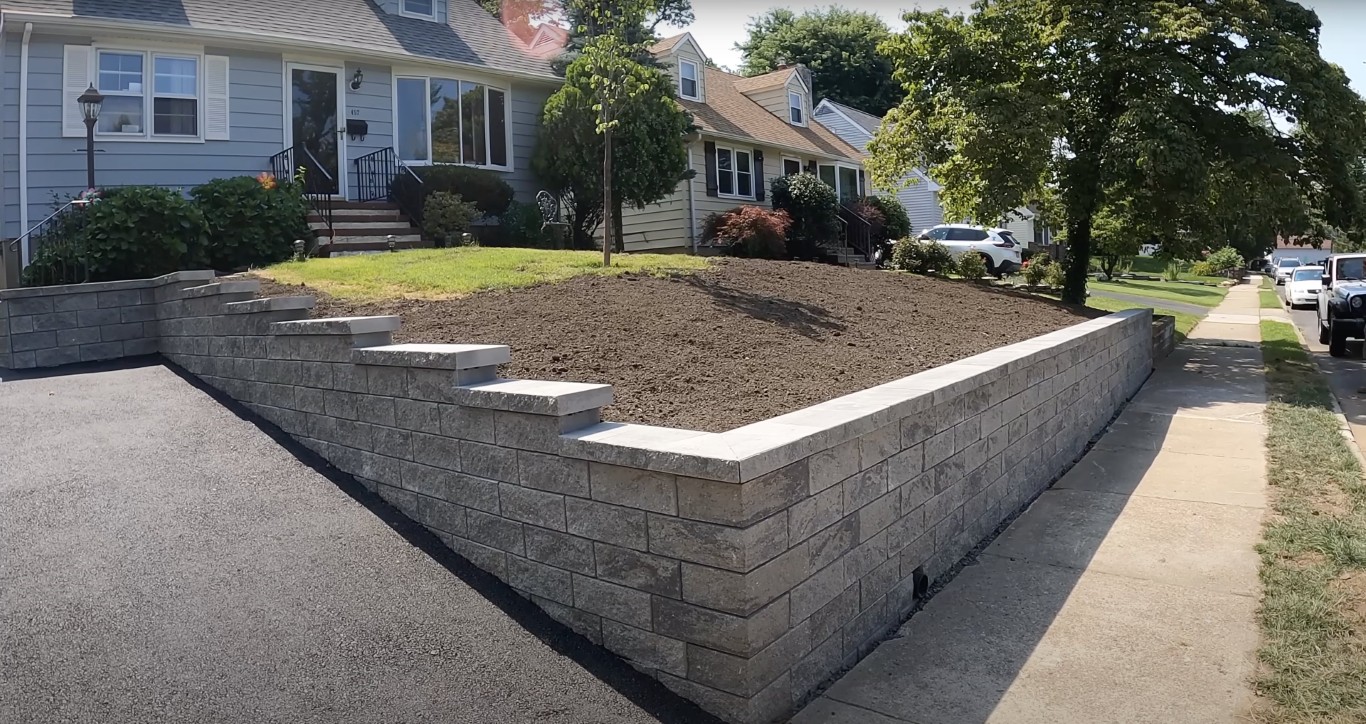
Retaining Walls & Concrete Masonry
Structural walls that hold back soil, prevent erosion, and create usable space on sloped properties.
Why Your Property Needs a Retaining Wall
Sloped yards and uneven terrain create challenges. Soil erodes, water runs where you don't want it, and usable space gets wasted. A properly built retaining wall solves these problems while adding structure and visual appeal to your property.
In Tarboro and throughout North Carolina, we see properties with drainage issues and erosion problems that a retaining wall would fix. Whether you're dealing with a steep slope, want to create level areas for landscaping, or need to protect your foundation from soil movement, a retaining wall provides a permanent solution.
Here's what retaining walls do for your property:
- Prevent soil erosion and keep hillsides stable
- Control water drainage and reduce runoff problems
- Create level areas for patios, gardens, or lawns on sloped land
- Protect foundations and structures from soil pressure
- Add definition and visual interest to your landscaping
- Increase usable outdoor space and property value
Not every wall needs to be concrete, but for taller walls, heavy loads, or critical structural support, concrete and masonry give you the strength and longevity you need. At Superior Tarboro Concrete, we design retaining walls that handle the specific soil conditions and loads on your property.
Types of Retaining Walls We Build
The right type of retaining wall depends on your specific situation. Height, soil type, drainage, and budget all factor into which design works best. We assess your property and recommend the most appropriate solution.
Poured Concrete Walls
For maximum strength and durability, poured concrete walls can't be beat. These walls use steel reinforcement and handle the highest loads. They work well for tall walls, heavy soil pressure, or where you need a smooth finished surface. While they cost more upfront, concrete walls last 50 years or more with minimal maintenance.
Concrete Block (CMU) Walls
Concrete masonry units give you a strong wall at a lower cost than poured concrete. These blocks get stacked and filled with concrete and rebar for reinforcement. The modular nature makes them adaptable to different heights and shapes. You can leave them with a natural block finish or apply stucco or other coatings.
Decorative Block Walls
If appearance matters as much as function, decorative concrete blocks give you structure with style. These specialized blocks come in various textures and colors to complement your landscaping. They're popular for shorter walls where aesthetics are important, similar to the options available in our decorative concrete work.
Engineered Systems
Some situations require engineered retaining wall systems designed by structural engineers. These walls handle extreme loads, very tall installations, or complex soil conditions. We work with engineers to implement their designs and ensure proper construction. This level of work connects to our expertise in structural concrete and foundation work.
How We Build Retaining Walls That Last
A retaining wall that fails is worse than no wall at all. Proper construction means understanding the forces at work and building the wall to handle them. We don't cut corners on the parts you can't see.
Foundation and Drainage
Every retaining wall starts with a proper foundation below the frost line. This prevents frost heave from undermining the wall. Behind the wall, we install drainage systems to remove water and reduce pressure. Without proper drainage, water builds up and pushes the wall over time. Gravel backfill and drainage pipes carry water away before it becomes a problem.
Reinforcement and Structure
Taller walls need internal reinforcement to handle the lateral load from soil. A block retaining wall gets rebar set through each core before the cells are filled with concrete, locking every course into a unified structure. Steel rebar in poured walls or block cores provides this strength. The wall design accounts for the specific soil type and load conditions. Walls over four feet typically require engineering calculations and proper permits.
Backfilling and Compaction
After the wall is built, proper backfilling with the right materials prevents settlement and ensures drainage works as designed. We compact the soil in layers to avoid future settling that could stress the wall. The top of the wall gets properly capped to prevent water infiltration.
Throughout construction, we follow engineering specifications and local building codes. Your retaining wall passes inspection and provides reliable service for decades. Whether you need a small garden wall or a major structural retaining system, we build it to last.
Frequently Asked Questions
How tall can a retaining wall be without needing engineering?▼
In most areas of North Carolina, retaining walls up to 4 feet tall generally don't require formal engineering, though building codes vary by location. Above 4 feet, you typically need engineered plans and permits. However, even shorter walls might need engineering if they support heavy loads, have poor soil conditions, or are near property lines or structures. We assess your situation and let you know if engineering is needed. It's better to over-engineer a wall than have it fail.
How much does a concrete retaining wall cost?▼
Retaining wall costs vary widely based on height, length, wall type, and site conditions. Simple block walls might run $30-50 per square foot. Poured concrete walls cost more, typically $50-100+ per square foot. Complex sites with difficult access, poor soil, or tall walls requiring engineering will be on the higher end. We provide detailed quotes after assessing your property. Remember that a properly built wall is a long-term investment that prevents costly erosion and drainage problems.
Can you repair an existing failing retaining wall?▼
It depends on what's failing and why. Minor cracks or cosmetic issues can often be repaired. However, if a wall is leaning, bulging, or showing structural failure, repair usually isn't practical or safe. The problem that caused the failure, typically poor drainage or inadequate foundation, still exists. In most cases of serious structural failure, replacement is the better option. We inspect failing walls and give you an honest assessment of whether repair makes sense or if you need to start over with a properly designed replacement.
Need a Retaining Wall?
Let's evaluate your property and design the right wall solution for your needs.
Call (252) 774-1023